Professional Leak Detection: Shield Your Home From Concealed Water Damage
Effective leak detection plays an essential role in keeping a home in good condition. Undetected water damage often causes substantial financial burdens and potential health concerns. Residents frequently fail to notice initial signs, like unexplained discoloration or lingering musty scents. Through recognizing these warning signs and utilizing modern detection techniques, homeowners can safeguard their homes. Yet, a large number of homeowners are still uninformed about the best methods and resources at their disposal. What measures should homeowners adopt to ensure their property remains protected from these hidden dangers?
Reasons to Make Leak Detection a Priority
What makes leak detection a priority for homeowners? It is essential for homeowners to understand that undetected leaks can lead to serious structural damage and expensive repairs. Water penetration can weaken the integrity of walls, foundations, and electrical systems, resulting in unsafe living conditions. Moreover, persistent moisture can encourage mold proliferation, which creates significant health concerns for those living in the home.
Investing in proactive leak detection secures the home and simultaneously boosts property value. By identifying leaks early on, homeowners are able to reduce potential damage, thus preventing the costly expenses tied to major repairs. Consistent inspections and sophisticated detection methods can expose underlying issues that could easily be overlooked. In the end, focusing on leak detection ensures the durability of the home and promotes a safer, healthier living space. By staying proactive, homeowners can safeguard their investment and enjoy peace of mind.
Important Warning Signs of Water Leaks You Should Know
Although water leaks may start small, their indicators can grow more obvious if ignored. Residents should remain alert to several frequent warning signs of water leaks. One noticeable sign is the presence of water stains on ceilings or walls, that often present as yellowish or brown discoloration. Moreover, damp or stained areas on the floor can point to underlying moisture problems beneath.
An additional warning sign is the noise of dripping or flowing water when every fixture has been shut off. A sharp rise in the water utility bill, with no clear explanation, can also signal concealed leaks. Mold and mildew development in locations like basements or bathrooms is another critical sign of persistent moisture issues. Lastly, distorted or buckled flooring may point to excessive moisture exposure. By recognizing these signs early, homeowners can take proactive measures to prevent significant damage and costly repairs.
Key Methods for Effective Leak Detection
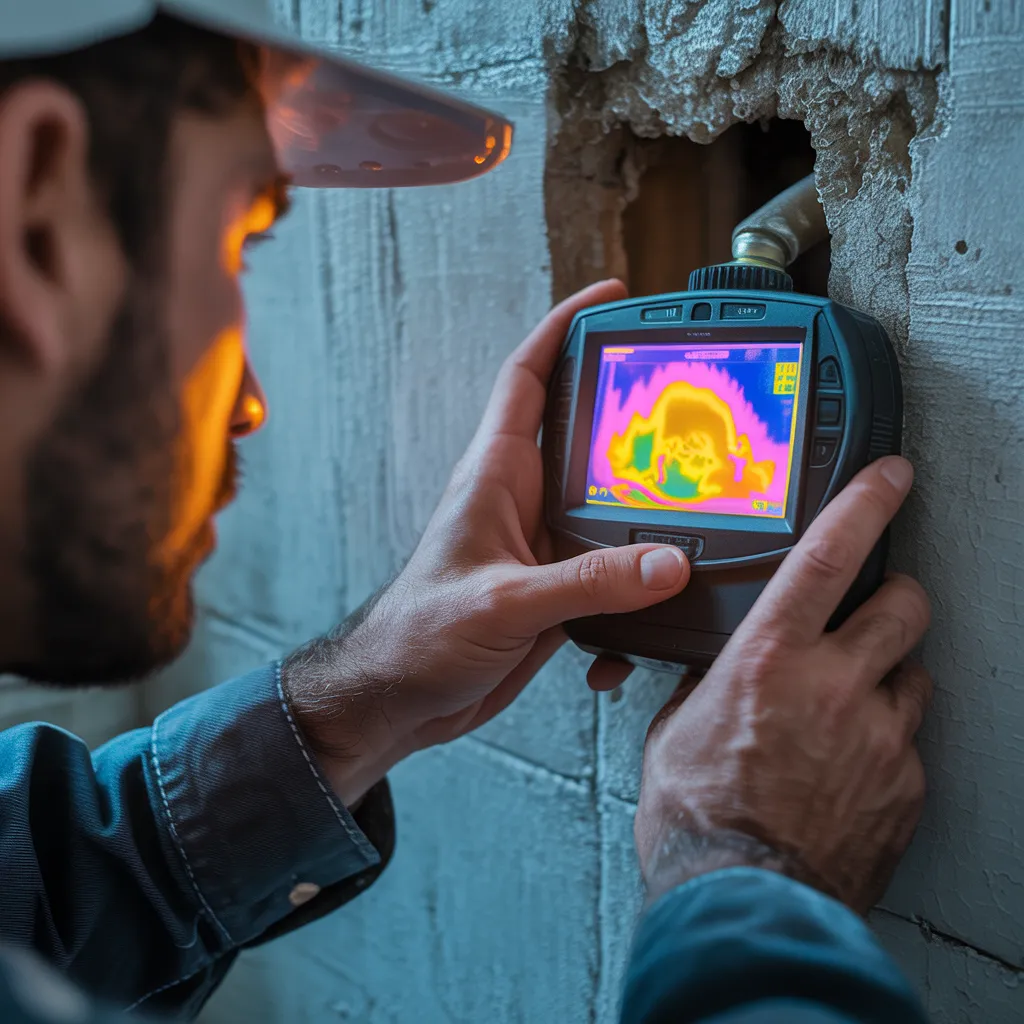
Recognizing water leaks early is essential for keeping a home in good condition and stopping widespread harm. Several approaches exist for successful leak discovery, accommodating a range of needs and circumstances. Visual inspections often serve as the first line of defense; residents can look for clear indicators such as water marks or mold development. Infrared thermography is another method that employs thermal imaging to detect heat discrepancies, indicating hidden leaks within walls or ceilings.
Acoustic leak detection employs sound waves to identify leaks, making it especially effective for hidden or underground pipes. Pressure testing requires monitoring the pressure within plumbing systems to identify inconsistencies that signal potential leaks. Additionally, moisture meters are capable of measuring dampness in materials, providing quantitative data on possible leak sources. Each of these methods offers unique advantages, empowering homeowners to pick the most fitting solution for their individual needs and ensuring proactive measures against water damage.
Finding the Most Effective Leak Detection Tools for Your Home
How do homeowners make certain they possess the correct equipment for successful leak detection? Selecting appropriate tools is essential for identifying hidden leaks before they cause significant damage. Important equipment includes moisture meters, which measure the humidity level in walls and floors, helping to pinpoint damp areas. Infrared cameras are also valuable, as they detect temperature variations, indicating potential leaks behind surfaces.
Moreover, ultrasonic leak detectors can identify the audio signal of water flowing out from pipe systems. Those who opt for traditional techniques, simple dye tests are practical for testing for toilet water leaks. It is also advisable for homeowners to acquiring smart leak detection systems that provide instant notifications through mobile devices. At the end of the day, being aware of the individual characteristics of their home and the various potential plumbing problems will guide homeowners in selecting the most effective detection solutions, ensuring they are well-prepared to prevent water damage.
Applying Preventive Strategies to Avoid Water Damage
Installing water-resistant materials in basements, kitchens, and bathrooms can significantly lower the risk of damage. Homeowners are encouraged to consider moisture detectors, which can notify them of leaks at an early stage. Proper landscaping, including sloping the ground away from the home, can direct water away from foundations. Above all, regulating indoor humidity levels can inhibit mold growth, which is commonly a result of unaddressed water issues. By implementing these preventive measures, homeowners can significantly lower the chances of expensive water damage.
When Should You Hire a Professional for Leak Detection?
When should homeowners consider calling a professional for leak detection? Property owners ought to reach out to an expert when they observe recurring damp patches, sudden and unexplained rises in their water bills, or a musty odor that lingers despite cleaning efforts. Additionally, if water stains appear on ceilings or walls, this could be a sign of a concealed leak that demands specialized diagnostic equipment. Trained specialists have the skills and tools, including thermal imaging cameras and moisture meters, to accurately pinpoint the origin of the issue.
Additionally, when a homeowner's DIY attempts have proven ineffective, consulting a qualified professional is strongly recommended to stop additional harm from occurring. Houses equipped with older pipe systems or that have seen recent renovation activity present an increased probability of developing water leaks, making professional evaluation advisable. get details Ultimately, early engagement of an experienced leak detection professional can save homeowners from extensive repairs and costly water damage in the long run.
Common Questions and Answers
What Is the Recommended Frequency for Checking Leaks in My Home?
Homeowners should check for leaks at least twice a year, particularly around seasonal shifts. Routine checks allow for the early discovery of underlying concerns, limiting the extent of damage and associated expenses linked to concealed water leaks across the home.
Do Appliances Like Dishwashers or Refrigerators Have the Potential to Leak?
Indeed, leaking can happen in household appliances such as dishwashers and fridge units. With regular use, seals might degrade or hoses can become damaged, resulting in possible water damage if not routinely checked and serviced.
What Are the Long-Term Effects of Undetected Water Leaks?
Unnoticed water leaks are capable of causing serious structural damage, mold growth, increased utility bills, and health issues. Left unaddressed, these problems tend to escalate, causing costly repair work and potential loss of property value.
Are Leaks More Likely to Happen During Certain Seasons?
Leaks are more likely in winter, as freezing temperatures can cause pipes to burst, and in spring, when snowmelt and heavy rain can overload drainage systems. Awareness of these seasonal patterns aids in preventive measures.
How Can I Determine if My Water Meter Is Detecting a Leak?
To determine if a water meter indicates a leak, one should check the meter reading before and after a period of no water usage. A change in reading suggests a possible leak in the system.
Comments on “Helpful Tips to Leak Detection”